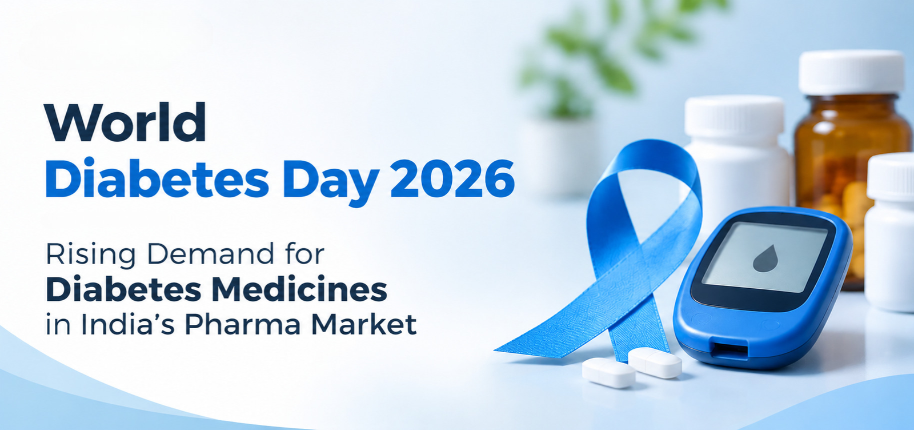
Every year, 14 November is observed as World Diabetes Day to raise awareness about diabetes and encourage better access to prevention, diagnosis and treatment.
For India's pharmaceutical industry, diabetes is not just an important healthcare concern. It is also a major therapeutic segment influencing medicine demand, pharmaceutical manufacturing and distribution.
With millions of people living with diabetes in India, the need for consistent access to diabetes medicines continues to be an important part of the country's healthcare system.
This growing healthcare burden makes diabetes care an important area for pharmaceutical manufacturers, distributors, wholesalers and retailers.
Let's understand the diabetes medicine market in India and the opportunities it presents for the pharmaceutical industry.
India's Diabetes Burden and the Pharmaceutical Market
India is among the countries with the highest number of people living with diabetes.
The increasing need for diagnosis, regular monitoring and long-term treatment has made anti-diabetic medicines an important part of the domestic pharmaceutical market.
According to the Department of Pharmaceuticals' Annual Report 2025–26, the anti-diabetic therapeutic segment recorded domestic sales of approximately ?20,638 crore in FY 2024–25.
More recent market reports also indicate continued momentum. The Indian pharmaceutical market's anti-diabetic segment recorded 16.5% value growth in the September 2026 quarter, according to Pharmarack data reported by Moneycontrol.
These developments highlight the growing importance of diabetes-related medicines in India's pharmaceutical business landscape.
Major Categories of Diabetes Medicines in India
Diabetes treatment involves different categories of medicines. The choice of treatment depends on the patient's condition, blood glucose levels and healthcare professional's recommendation.
Some important medicine categories include:
1. Oral Anti-Diabetic Medicines
Oral anti-diabetic medicines are commonly used in the management of Type 2 diabetes.
Some major categories include:
Biguanides: Metformin is a widely used medicine in this category.
DPP-4 inhibitors: These medicines help regulate blood glucose through incretin-related pathways.
SGLT2 inhibitors: These medicines help the body remove glucose through urine.
Sulfonylureas: These medicines stimulate insulin release from the pancreas.
Thiazolidinediones: These medicines improve the body's sensitivity to insulin.
Different medicines work through different mechanisms and are prescribed according to individual treatment requirements.
2. Insulin Preparations
Insulin is essential for people with Type 1 diabetes and may also be prescribed to people with Type 2 diabetes.
Common categories include:
Rapid-acting insulin
Short-acting insulin
Intermediate-acting insulin
Long-acting insulin
Premixed insulin preparations
Insulin products require appropriate storage and handling throughout the pharmaceutical supply chain.
3. Combination Therapies
Combination medicines contain two or more active pharmaceutical ingredients in a single formulation.
In diabetes care, combinations may include medicines such as metformin with another anti-diabetic agent.
These formulations are an important part of the prescription market and offer pharmaceutical businesses a broad category of products to understand and evaluate.
4. Newer Diabetes Treatments
Newer treatment options have also influenced the diabetes medicine market.
These include GLP-1 receptor agonists and other newer glucose-lowering therapies.
Their growing market presence has attracted attention from pharmaceutical manufacturers, healthcare professionals and industry analysts.
However, these medicines have specific indications, prescription requirements and safety considerations.
Why Is the Anti-Diabetic Segment Growing in India?
Several factors are contributing to the increasing importance of the anti-diabetic segment.
1. Increasing Diabetes Prevalence
India's large and growing population living with diabetes creates a substantial need for diagnosis, treatment and long-term disease management.
2. Greater Awareness and Diagnosis
Increasing awareness about blood glucose testing and regular health check-ups is encouraging more people to seek medical advice.
Early diagnosis can help patients begin appropriate treatment and monitoring.
3. Growth in Chronic Disease Management
Unlike many acute conditions, diabetes often requires long-term medical management.
This creates a continuing requirement for appropriate medicines, regular consultations and blood glucose monitoring.
4. Development of New Treatment Options
Advancements in diabetes treatment have expanded the range of available medicines.
Newer drug classes and combination formulations are contributing to changes in prescription patterns and market demand.
5. Growing Focus on Preventive Healthcare
Healthcare awareness initiatives are encouraging people to pay more attention to lifestyle-related health conditions and regular medical screening.
This is also increasing the importance of diabetes-related healthcare products and services.
What Does Growing Diabetes Medicine Demand Mean for Pharma Distributors?
The growing anti-diabetic market has important implications for pharmaceutical distributors, stockists, wholesalers and retailers.
Understanding the segment can help businesses make more informed product and inventory decisions.
1. Understanding Product Categories
Distributors should understand the differences between oral anti-diabetic medicines, insulin preparations and combination formulations.
This knowledge helps them evaluate the product categories relevant to their customer base.
2. Maintaining Consistent Product Availability
Diabetes is generally a long-term condition, and patients may require regular access to prescribed medicines.
Pharmaceutical distributors play an important role in supporting reliable product availability through effective coordination with suppliers and retailers.
3. Managing Storage Requirements
Different pharmaceutical products may have different storage requirements.
Insulin and certain other temperature-sensitive products require particular attention to storage conditions and cold-chain handling.
Distributors should follow the manufacturer's storage instructions and applicable regulatory requirements.
4. Understanding Local Market Demand
Demand for diabetes medicines can vary by geography, prescription patterns, healthcare infrastructure and customer requirements.
Studying local market needs can help distributors make more informed decisions about the products they source.
5. Building a Balanced Pharmaceutical Portfolio
Diabetes medicines can form one part of a broader pharmaceutical portfolio.
Businesses may evaluate this category alongside cardiac, gastrointestinal, respiratory and other therapeutic segments, depending on their market requirements.
The Role of Reliable Pharmaceutical Sourcing
As the anti-diabetic segment continues to develop, reliable pharmaceutical sourcing remains important for businesses operating across the supply chain.
Distributors and wholesalers need to consider several factors when evaluating pharmaceutical suppliers:
Product quality and regulatory compliance
Appropriate product documentation
Consistent product availability
Transparent business communication
Suitable storage and transportation arrangements
A product portfolio aligned with market requirements
A dependable sourcing relationship can support smoother procurement and distribution operations.
How Agrosaf Supports Pharmaceutical Businesses
Agrosaf Pharmaceuticals serves B2B pharmaceutical businesses through its product portfolio and pharmaceutical sourcing platform.
For distributors, wholesalers, stockists and other pharmaceutical buyers, exploring a diverse product range can help them evaluate products relevant to their business requirements.
Visit the Agrosaf B2B platform to explore the available pharmaceutical portfolio and sourcing options.
Conclusion
Diabetes care continues to be an important part of India's healthcare and pharmaceutical landscape.
The growing number of people living with diabetes, increasing awareness, long-term treatment requirements and developments in medicine are contributing to the importance of the anti-diabetic therapeutic segment.
For pharmaceutical manufacturers, distributors, wholesalers and retailers, understanding this market is essential for making informed business decisions.
This World Diabetes Day, the focus should go beyond awareness. It should also recognise the importance of accessible medicines, responsible pharmaceutical distribution and a reliable healthcare supply chain.
Better awareness. Reliable medicine access. Stronger healthcare support.
Frequently Asked Questions
1. Why is the anti-diabetic segment important in India's pharmaceutical market?
The segment addresses the long-term treatment needs of a large population living with diabetes. It is also an important contributor to India's domestic pharmaceutical sales.
2. What are the major categories of diabetes medicines?
Major categories include biguanides, DPP-4 inhibitors, SGLT2 inhibitors, sulfonylureas, insulin preparations, combination therapies and GLP-1 receptor agonists.
3. What was the size of India's anti-diabetic pharmaceutical segment in FY 2024–25?
According to the Department of Pharmaceuticals' Annual Report 2025–26, domestic sales of the anti-diabetic segment were approximately ?20,638 crore in FY 2024–25.
4. Why is consistent availability of diabetes medicines important?
Diabetes often requires ongoing medical management. Reliable availability helps pharmacies and healthcare providers maintain access to prescribed medicines for patients.
5. What should pharmaceutical distributors consider when sourcing diabetes medicines?
They should evaluate product quality, regulatory compliance, supplier reliability, documentation, product availability and applicable storage requirements.
6. How is the diabetes medicine market changing in India?
The market is evolving through the growing use of different anti-diabetic drug classes, combination formulations and newer treatment options. Changes in prescription patterns and healthcare needs are also influencing market demand.
Disclaimer: This article is for pharmaceutical industry awareness and informational purposes. It does not constitute medical, prescribing or treatment advice.
Conclusion / Notes
India has a significant and growing diabetes burden, making anti-diabetic medicines an important pharmaceutical market segment. Oral anti-diabetic medicines, insulin preparations and combination therapies are key treatment categories. Newer treatment options are influencing the evolving diabetes medicine market. Long-term diabetes management creates an ongoing need for reliable medicine availability. Pharmaceutical distributors must prioritise product quality, proper storage and dependable sourcing. Understanding changing demand can help pharma businesses build a balanced therapeutic product portfolio.
0 Comments
Recent Posts