You may have heard that Omega-3 is “good for you,” but what exactly is Omega-3, and do you really need it?
Omega-3 fatty acids are essential fats that play an important role in several functions of the body. Since the body cannot make enough of certain Omega-3 fatty acids on its own, getting them through food is important. For people who do not get enough through their regular diet, Omega-3 supplements may also be an option.
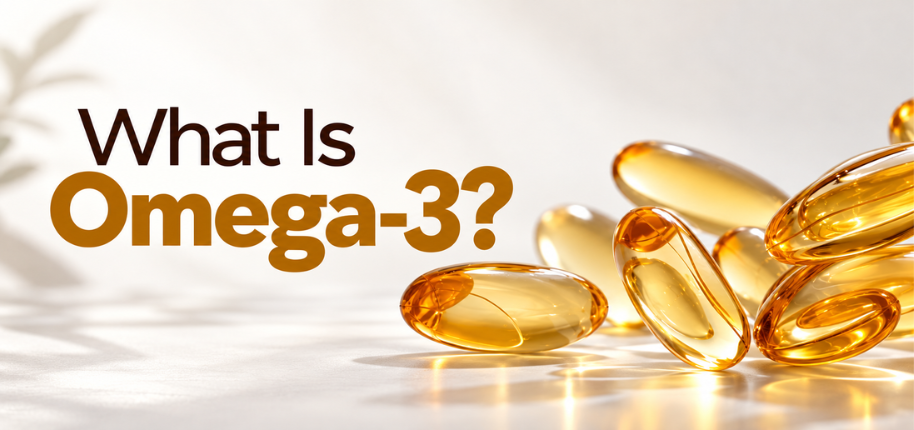
What Is Omega-3?
Omega-3 is a group of polyunsaturated fatty acids. The three main types are ALA (alpha-linolenic acid), EPA (eicosapentaenoic acid), and DHA (docosahexaenoic acid).
ALA is mainly found in plant-based foods such as flaxseeds, chia seeds, walnuts, soybean oil and canola oil. EPA and DHA are found mainly in fish and seafood.
One important difference is that the body can convert ALA into EPA and DHA, but only in very small amounts. This is why foods containing EPA and DHA can be useful sources of these specific Omega-3 fatty acids.
Why Is Omega-3 Important?
Omega-3 fatty acids are part of the membranes surrounding cells throughout the body. DHA is particularly abundant in the brain and retina, while EPA and DHA are also involved in normal cardiovascular and other body functions.
This is why Omega-3 has become an important part of conversations around balanced nutrition and everyday wellness.
Omega-3 Benefits: What Does the Research Say?
Omega-3 is widely studied for its role in overall health. Some of the better-established areas include:
1. Supports Heart Health
EPA and DHA can help lower triglyceride levels. Eating fatty fish as part of a balanced diet is also associated with cardiovascular benefits. However, Omega-3 supplements are not a replacement for a healthy diet or prescribed treatment.
2. Supports Brain and Eye Health
DHA is an important structural component of the brain and retina. This makes DHA especially relevant when discussing normal brain and eye function. Research continues to explore the broader effects of Omega-3 on cognitive and eye health.
3. Supports Overall Nutritional Wellness
Omega-3 contributes to the body's supply of essential fats and can be part of a balanced nutritional routine, particularly when dietary intake of Omega-3-rich foods is limited.
What Are the Best Sources of Omega-3?
You can get Omega-3 from both plant and animal sources.
Plant sources:
- Flaxseeds and flaxseed oil
- Chia seeds
- Walnuts
- Soybean and canola oil
Animal and seafood sources:
- Salmon
- Sardines
- Mackerel
- Herring
- Tuna
Fish and seafood are particularly useful sources of EPA and DHA, while plant foods primarily provide ALA.
Fish Oil vs Omega-3: Are They the Same?
Not exactly.
Fish oil is a source of Omega-3, mainly EPA and DHA. However, the amount of EPA and DHA can vary significantly between different fish oil supplements.
This is why simply looking at the total “fish oil” amount on a label may not tell you how much EPA and DHA you are actually getting. When choosing an Omega-3 supplement, checking the composition and the amount of Omega-3, EPA and DHA can be more useful than focusing only on the total oil quantity.
Omega-3 Supplements: What Should You Look For?
Omega-3 supplements are available in different forms, including fish oil, cod liver oil, krill oil and algal oil.
When considering an Omega-3 supplement, look at:
- The source of Omega-3
- EPA and DHA content, where applicable
- The complete ingredient list
- Recommended serving or dosage
- Additional nutrients included in the formulation
- Whether the product fits your individual nutritional needs
For people with specific health conditions or those taking medicines, especially blood-thinning medicines, it is best to speak with a healthcare professional before starting a supplement.
Omega-3 Products from Agrosaf Pharmaceuticals
Agrosaf Pharmaceuticals offers nutritional supplement formulations that include Omega-3 as part of their composition.
FIT COD Capsule contains Cod Liver Oil 300 mg, providing Omega-3 fatty acids along with Vitamin A and Vitamin D. The formulation is positioned as a nutritional supplement supporting overall wellness, including heart, immunity, joint and bone health.
Another formulation, FIT O3 MAX Capsule, contains Omega-3 fatty acid 250 mg, along with Coenzyme Q10, L-Arginine, Zinc and Selenium. It is formulated to support cardiovascular wellness, energy production, antioxidant protection and overall nutritional support.
Agrosaf's food supplements division also focuses on bringing nutritional formulations to the market through strategic partnerships with manufacturing partners.
Should You Take an Omega-3 Supplement?
There is no one-size-fits-all answer. If your diet already includes good sources of Omega-3, you may not need a supplement. However, supplements can be considered when dietary intake is insufficient or when recommended by a healthcare professional.
The key is to choose based on your nutritional needs rather than assuming that a higher dose is automatically better.
Frequently Asked Questions About Omega-3
Is Omega-3 the same as fish oil?
No. Fish oil is one source of Omega-3, while Omega-3 refers to a group of fatty acids including ALA, EPA and DHA.
What are the main Omega-3 benefits?
Omega-3s are important for normal cell function and are particularly associated with cardiovascular, brain and eye health. Research is ongoing for many other potential benefits.
What foods are high in Omega-3?
Fatty fish such as salmon, sardines and mackerel are good sources of EPA and DHA. Flaxseeds, chia seeds and walnuts provide ALA.
What is EPA and DHA?
EPA and DHA are two major types of Omega-3 fatty acids. They are found mainly in fish and seafood and are commonly included in fish oil supplements.
The Bottom Line
Omega-3 is more than just another popular supplement ingredient. It is a group of essential fatty acids that plays an important role in normal body functions. Including Omega-3-rich foods in a balanced diet is a practical place to start, while Omega-3 supplements may be useful in situations where dietary intake is not enough.
The most important thing is to understand what you are actually getting from a supplement—especially the source and EPA/DHA content—rather than choosing a product based only on the words “fish oil” or “Omega-3.”
Conclusion / Notes
Omega-3 is an important group of fatty acids that includes ALA, EPA and DHA. It can be obtained through foods such as fatty fish, seafood, nuts and seeds, as well as through suitable dietary supplements. When choosing an Omega-3 supplement, consumers should look beyond the total fish oil amount and check the source, EPA and DHA content, serving size and complete formulation. Agrosaf offers Omega-3-containing nutritional products including FIT COD and Alotal-9G, with different formulations for different nutritional needs.
0 Comments
Recent Posts