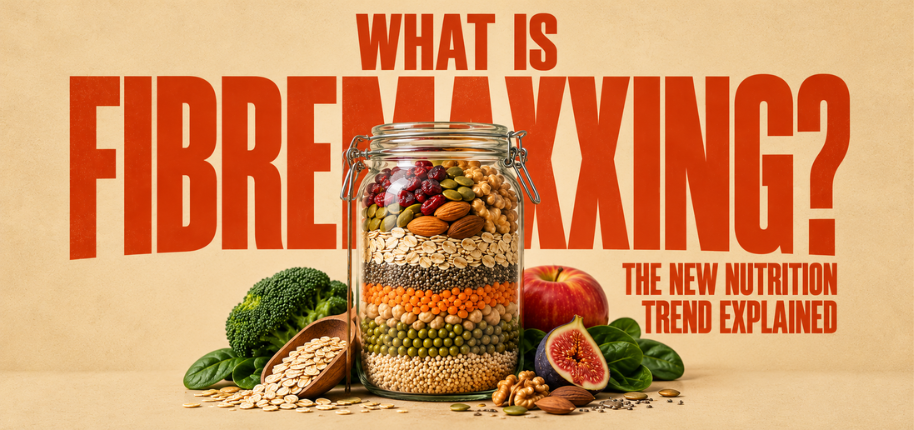
Protein had its moment. Now, fibre is getting attention—and the trend is bringing an everyday nutrient back into the spotlight.
Fibremaxxing is a growing nutrition trend that encourages people to pay more attention to their daily dietary fibre intake. Instead of focusing only on protein, calories or popular supplements, the trend highlights the role of fibre-rich foods in a balanced diet.
From lentils and whole grains to fruits, vegetables, nuts and seeds, fibre is already present in many everyday foods. The renewed interest in this nutrient also creates an opportunity for nutraceutical brands to understand changing consumer preferences around digestive wellness and nutrition.
But what exactly is fibremaxxing? Is it simply another social media trend, or does it reflect a meaningful shift in how people approach everyday nutrition?
Let's explore.
What Is Fibremaxxing?

Fibremaxxing refers to the practice of intentionally increasing dietary fibre intake through food choices and, when appropriate, supplements. The word combines “fibre” with “maxxing,” an internet term used to describe maximising or improving something.
The basic idea is simple: make fibre a more deliberate part of your daily diet rather than treating it as a secondary nutrient.
Dietary fibre is the part of plant-based foods that the body does not fully digest. Different types of fibre support normal digestive processes in different ways, making fibre an important component of a varied, balanced diet.
However, fibremaxxing does not mean consuming as much fibre as possible. Individual needs vary, and suddenly increasing fibre intake can cause gas, bloating or abdominal discomfort. The goal is to build balanced, sustainable eating habits—not to chase an extreme number.
Why Is Fibremaxxing Trending?
For years, online nutrition conversations have often centred on protein intake, calorie tracking and high-protein diets. Fibremaxxing brings attention to another essential part of everyday nutrition.
Several factors help explain its growing appeal.
1. Greater interest in digestive wellness
Consumers are increasingly interested in understanding how everyday food choices relate to digestion and overall well-being. Fibre is a familiar nutrient that fits naturally into this conversation.
2. A shift towards food-first nutrition
Many people are exploring ways to improve their diets through ordinary foods instead of relying exclusively on supplements. Lentils, beans, fruits, vegetables and whole grains offer practical ways to increase fibre intake.
3. Social media makes nutrition concepts accessible
Short videos, food diaries and meal-preparation content can introduce nutrition topics to wider audiences. Fibremaxxing has become one way of making a basic dietary concept feel relevant to modern lifestyles.
However, social media advice is not always tailored to individual needs. A trend can encourage useful awareness, but it should not replace reliable nutrition guidance.
What Does Dietary Fibre Actually Do?

Dietary fibre is best understood as part of an overall balanced diet. Its role depends partly on the type of fibre and the food it comes from.
Soluble fibre
Soluble fibre dissolves in water and forms a gel-like substance. It is found in foods such as oats, beans, lentils, apples and some seeds.
Certain soluble fibres can help support healthy blood cholesterol levels, while some also influence how quickly nutrients are absorbed.
Insoluble fibre
Insoluble fibre does not dissolve in water in the same way. It is present in foods such as whole grains, wheat bran, nuts and many vegetables.
It helps add bulk to stool and supports regular bowel movements.
Many plant foods contain a combination of fibre types. That is one reason dietary variety matters more than relying on a single “superfood.”
Fibre and everyday digestive health
Adequate fibre intake, alongside sufficient fluids, can support normal bowel function. However, the effects vary depending on the type of fibre, the amount consumed and the individual's digestive tolerance.
People who experience persistent digestive symptoms or have a condition requiring a specialised diet should seek advice from a qualified healthcare professional before making major dietary changes.
Best Fibre-Rich Foods Commonly Found in Indian Diets
One reason fibremaxxing is relevant to Indian consumers is that many fibre-rich foods are already part of traditional meals. People do not necessarily need expensive or unfamiliar ingredients to make their diets more varied.

Here are some practical options to include in a balanced eating routine:
| Food category | Examples |
|---|---|
| Pulses and legumes | Moong dal, masoor dal, chana, rajma and chickpeas |
| Whole grains | Oats, whole-wheat atta, barley and other whole grains |
| Fruits | Guava, pears, apples and oranges |
| Vegetables | Carrots, peas, broccoli and leafy vegetables |
| Nuts and seeds | Almonds, chia seeds, flaxseeds and pumpkin seeds |
The amount of fibre varies with portion size, preparation and the specific food. Eating a variety of these foods can help increase fibre intake while also providing other nutrients.
Simple changes can make a difference. For example, include dal with meals, choose whole fruit instead of relying only on juice, add vegetables to lunch and dinner, or incorporate oats into breakfast.
The goal is consistency, not perfection.
How to Increase Fibre Intake Without Overdoing It
Fibremaxxing can encourage better food choices, but increasing fibre too quickly may lead to bloating, gas, abdominal discomfort or changes in bowel movements.
A gradual approach is generally more practical.
Start with familiar foods: Add a little more dal, vegetables or whole grains to your usual meals.
Increase intake gradually: Give your digestive system time to adjust rather than making several major dietary changes at once.
Drink enough fluids: Adequate fluid intake is important when increasing dietary fibre.
Choose variety: Different foods provide different types of fibre and other nutrients.
Pay attention to tolerance: If a particular food causes discomfort, review the quantity and preparation rather than forcing yourself to eat more.
People with irritable bowel syndrome (IBS) or other digestive conditions may tolerate certain fibres better than others. They should seek personalised advice from a qualified healthcare professional if increasing fibre worsens their symptoms.
Do You Need a Fibre Supplement?

Not necessarily. For most people, food should be the starting point for improving dietary fibre intake.
Fibre supplements may be useful in certain situations, depending on individual needs, diet and professional advice. Products can contain different fibre ingredients, including psyllium and other soluble fibres, and they are not interchangeable in every situation.
Before choosing a supplement, consumers should consider:
The type and amount of fibre per serving.
The ingredient list and product directions.
Whether the product suits their individual dietary needs.
Any relevant medical conditions or medications.
The importance of adequate fluid intake and gradual introduction.
Supplements should complement an appropriate diet rather than replace a varied intake of fruits, vegetables, pulses and whole grains. Claims about a product's benefits should also be evaluated carefully rather than accepted simply because fibremaxxing is trending.
What Does Fibremaxxing Mean for the Nutraceutical Industry?
Fibremaxxing is relevant beyond social media because it draws attention to a familiar nutritional ingredient and gives businesses an opportunity to understand evolving consumer interests.
For nutraceutical brands, manufacturers, distributors and retailers, this trend may influence how consumers explore digestive wellness and everyday nutrition products.
1. Growing interest in digestive wellness
Consumers searching for information about fibre may also explore products related to digestive wellness. Businesses can use this interest to understand customer questions and identify relevant product categories without assuming every consumer needs a supplement.
2. More diverse product formats
Nutritional products are available in formats such as powders, sachets, capsules and ready-to-mix preparations. Fibre-related products may form part of this wider product landscape, depending on their ingredients, formulation and intended use.
3. Clearer product information
As consumers become more interested in nutrition labels, businesses have an opportunity to communicate ingredient information, serving sizes, directions and relevant product details more clearly.
4. Responsible product positioning
A popular wellness trend does not automatically establish a product's effectiveness or market demand. Businesses should assess consumer needs, product quality, applicable regulations and the evidence supporting any proposed claims.
For retailers and distributors, the practical lesson is to understand the category before making stocking decisions. For nutraceutical businesses, it is to respond to consumer interest with accurate information and suitable products rather than exaggerated promises.
Exploring Nutraceutical Products Through Agrosaf Pharmaceuticals
Agrosaf Pharmaceuticals offers a broad healthcare product portfolio covering pharmaceutical, nutraceutical, Ayurvedic, OTC, derma, cosmetic and other categories.
For businesses exploring nutraceutical products and related healthcare categories, the Agrosaf B2B website provides a place to explore available products and categories relevant to their sourcing requirements.
As interest in nutrition trends evolves, businesses can use these conversations to better understand consumer preferences while keeping product quality, transparent information and responsible communication at the centre of their decisions.
Final Thoughts
Fibremaxxing has brought renewed attention to a nutrient that has long been part of balanced nutrition. Its central message is straightforward: dietary fibre deserves attention alongside other essential nutrients.
For consumers, a sensible approach starts with varied, fibre-rich foods, gradual dietary changes and an awareness of individual digestive needs. More fibre is not automatically better for everyone, and supplements are not essential for every person.
For nutraceutical businesses, the trend offers an opportunity to follow changing consumer interests, evaluate relevant product categories and communicate responsibly.
Ultimately, the most useful takeaway from fibremaxxing is not to follow another online trend blindly, but to make informed, sustainable choices around everyday nutrition.
Frequently Asked Questions (FAQs)
1. What is fibremaxxing?
Fibremaxxing is a nutrition trend that encourages people to increase their dietary fibre intake by including more fibre-rich foods in their everyday meals.
2. Which foods are good sources of dietary fibre?
Dal, chickpeas, rajma, oats, whole grains, fruits, vegetables, nuts and seeds are examples of foods that provide dietary fibre.
3. Is fibremaxxing suitable for everyone?
Not necessarily in the same way. Fibre needs and tolerance vary, especially for people with certain digestive conditions. Individualised dietary guidance may be helpful.
4. Can fibre supplements replace fibre-rich foods?
Fibre supplements can be useful for some people, but they do not replace the full range of nutrients available from a varied diet.
5. Why is fibremaxxing relevant to nutraceutical businesses?
The trend highlights consumer interest in dietary fibre and digestive wellness. Businesses can use this awareness to assess relevant product categories and improve consumer education without overstating product benefits.
Conclusion / Notes
Fibremaxxing has renewed interest in dietary fibre and fibre-rich foods. Consumers should prioritise varied food sources and gradual dietary changes, while nutraceutical businesses can use the trend to understand demand responsibly without overstating product benefits.
0 Comments
Recent Posts